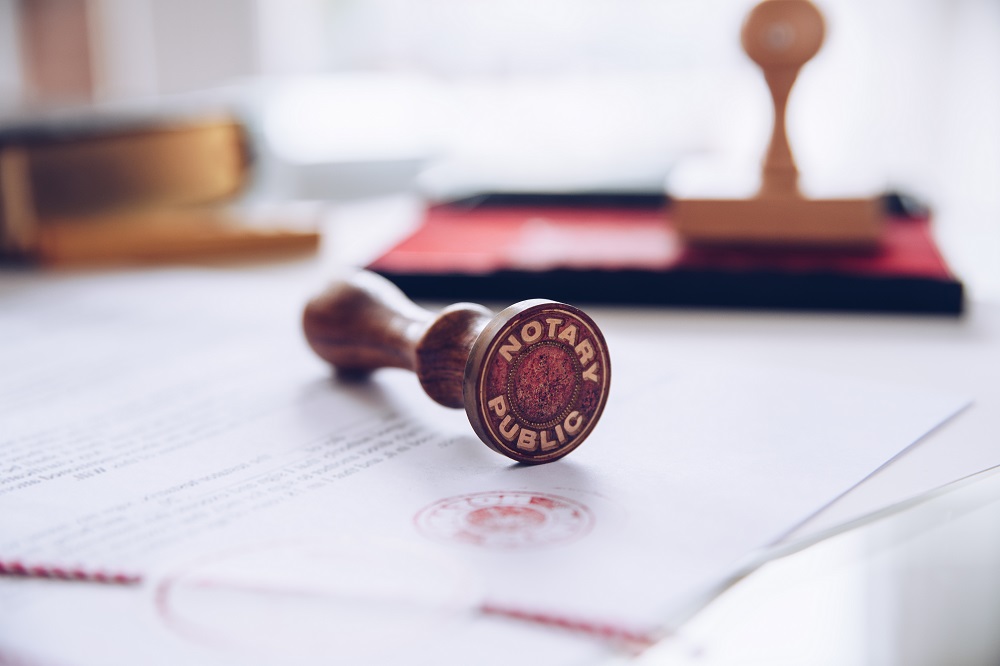
Cessation of business is the operational step of closing down a company's trade and activities, distinct from the legal dissolution. It involves settling trade payables, collecting receivables, terminating employees in compliance with the Employment Ordinance (Cap. 57), cancelling licences and permits, filing final tax returns with the Inland Revenue Department, and arranging the final audit. CityLinkers coordinates cessation activities so that all operational, tax, and employment obligations are satisfied before the company is wound up or deregistered.
Professional company closure services to ensure legal compliance
When the decision is made to cease business operations, it is essential that the process is managed in full accordance with legal and regulatory requirements. Whether driven by strategic restructuring, insolvency, or financial planning, closing a company in Hong Kong involves careful coordination to avoid future liabilities and protect stakeholder interests.
At CityLinkers, we offer end-to-end support for company liquidation, dissolution, and cessation of business. Our experienced team—well-versed in the Hong Kong Companies Ordinance—ensures that the closure process is executed efficiently, transparently, and with full compliance. From documentation to final deregistration, we help ease the administrative burden while safeguarding your legal and financial standing.
When the decision is made to cease business operations, it is essential that the process is managed in full accordance with legal and regulatory requirements. Whether driven by strategic restructuring, insolvency, or financial planning, closing a company in Hong Kong involves careful coordination to avoid future liabilities and protect stakeholder interests.
At CityLinkers, we offer end-to-end support for company liquidation, dissolution, and cessation of business. Our experienced team—well-versed in the Hong Kong Companies Ordinance—ensures that the closure process is executed efficiently, transparently, and with full compliance. From documentation to final deregistration, we help ease the administrative burden while safeguarding your legal and financial standing.
What Are Liquidation, Dissolution and Cessation of Business?
Liquidation, dissolution, and cessation of business are the procedures by which a Hong Kong company winds up its affairs, disposes of assets, settles liabilities, and is legally dissolved. Liquidation is the formal winding-up of a company's operations under the Companies (Winding Up and Miscellaneous Provisions) Ordinance (Cap. 32) and the Companies Ordinance (Cap. 622), while dissolution removes the company from the Companies Register. CityLinkers provides professional winding-up and cessation services, guiding directors and shareholders through the correct procedure based on the company's solvency and circumstances.
What Types of Liquidation Are Available in Hong Kong?
Hong Kong law recognises three main forms of liquidation:
- Members' voluntary liquidation — available where the company is solvent; directors swear a statutory declaration of solvency and shareholders pass a special resolution to wind up voluntarily, appointing a liquidator
- Creditors' voluntary liquidation — used where the company is insolvent; creditors are involved in appointing the liquidator after the shareholders' resolution
- Compulsory liquidation — a court-driven winding up, usually initiated by a creditor's winding-up petition to the High Court under the Companies (Winding Up and Miscellaneous Provisions) Ordinance
What Is Deregistration and When Is It Used?
Deregistration, also known as striking off, is a streamlined procedure under Section 750 of the Companies Ordinance (Cap. 622) for removing a defunct or dormant private company from the Register. It applies where the company has ceased operation or business, has no outstanding liabilities, has no pending legal proceedings, and all members agree to the deregistration. Deregistration is faster and cheaper than liquidation but is only available to companies meeting all statutory conditions. CityLinkers assesses eligibility and prepares the deregistration application to the Companies Registry.
How Does Cessation of Business Operations Work?
How Are Assets Distributed in a Liquidation?
In a members' voluntary liquidation, the liquidator realises the company's assets, pays outstanding creditors, and distributes the surplus to shareholders in accordance with the company's constitution and the Companies Ordinance. In a creditors' voluntary liquidation, the liquidator follows the statutory order of priority, settling secured creditors, preferential debts (including employee wages and sums due to government), unsecured creditors, and only then shareholders. CityLinkers coordinates with the appointed liquidator to ensure an orderly realisation and distribution of assets.
What Are the Director's Duties During Winding Up?
Directors owe significant duties during liquidation, including delivering up all books and records, preparing a statement of the company's affairs, cooperating with the liquidator, and assisting in the realisation of assets. Failure to comply can result in personal liability, disqualification, or criminal sanctions. CityLinkers supports directors in fulfilling these duties, preparing the statement of affairs, and ensuring statutory filings are made on time.
Why Choose CityLinkers for Liquidation and Dissolution?
CityLinkers brings 14+ years of corporate services experience serving over 5,000 clients. As a TCSP-licensed firm, we coordinate the full winding-up lifecycle — from cessation planning and final audit, through liquidator appointment and deregistration, to final dissolution — integrated with company secretarial, tax, and audit services. We advise directors on the correct route, ensure compliance with the Companies Ordinance and Inland Revenue Department requirements, and protect directors from the consequences of procedural error.
What is the difference between liquidation and deregistration?
Liquidation is a formal winding-up procedure involving a liquidator who realises assets, pays creditors, and distributes surplus to shareholders. Deregistration is a streamlined removal of a solvent, defunct company from the Register under Section 750 of the Companies Ordinance, available only where specific conditions are met.
When can a company be deregistered in Hong Kong?
A private company can apply for deregistration under Section 750 of the Companies Ordinance if it has ceased operation or business, has never commenced business, has no outstanding liabilities, has no pending legal proceedings, and all members agree to the deregistration. CityLinkers assesses eligibility and prepares the application.
What is a members' voluntary liquidation?
A members' voluntary liquidation is a solvent winding-up where directors swear a statutory declaration of solvency and shareholders pass a special resolution to wind up voluntarily, appointing a liquidator. The liquidator realises assets, pays creditors, and distributes the surplus to shareholders.
How long does deregistration take in Hong Kong?
Deregistration typically takes about 5 months from the application to the Companies Registry. A notice of the proposed deregistration is published in the Gazette, and if no objection is received, the company is struck off the Register after the statutory period.
What are a director's duties during winding up?
Directors must deliver up books and records, prepare a statement of the company's affairs, cooperate with the liquidator, and assist in realising assets. Failure to comply can result in personal liability, disqualification, or criminal sanctions. CityLinkers supports directors in fulfilling these duties.
Does a liquidating company still need to file tax returns?
Yes. A company in winding up must file its final profits tax return with audited accounts with the Inland Revenue Department, and the liquidator must notify the Commissioner of Inland Revenue of the winding up. CityLinkers arranges the final audit and tax filings as part of the cessation service.